







Search Results for: Anti-Explosion Tips

Why Does the Manner Yellow Peel Tonic Americano Keep Splashing? A Guide for Baristas and Consumers to Prevent Explosions
Manner stores nationwide recently launched the Wampee Tonic Americano and Wampee Tonic Special Drink, priced at 15 yuan, available only via the mini-program and in-store ordering. Because they contain tonic water, stirring can easily cause a foam eruption, and social media has been flooded with "victims" sharing their embarrassing experiences—takeaway cups and personal cups alike are hard-pressed to escape. This article breaks down the science behind the splashing, baristas' coping techniques, and netizens' summarized anti-eruption tips, along with Front Street Coffee's related recommendations, to help coffee lovers safely enjoy this new product. [more…]

The Complete Guide to Preventing Fizzy Americano Overflow: Practical Tips for Keeping Tonic Water Coffee From Foaming Up
The stimulating mouthfeel brought by carbonation has made sparkling Americano a popular summer drink, but many people often encounter the embarrassment of coffee spraying and overflowing when recreating it at home. Starting from Front Street Coffee's practical experience, this article deeply analyzes the causes of foam overflow and provides three effective anti-overflow methods: using a spoon or ice cubes to buffer the impact of the espresso, adding a small amount of drinking water to form a缓冲 layer, and cooling the espresso in advance to reduce the temperature difference. Whether you are a beginner sparkling Americano enthusiast or a seasoned player who frequently fails, this guide can help you easily make a refreshing sparkling iced Americano without foaming. [more…]

How to Keep Your Sparkling Iced Americano from Overflowing at Home? Five Practical Tips to Easily Solve the Foam Problem
Many coffee enthusiasts who try to make sparkling iced Americano at home encounter a common frustration: when the espresso is poured into sparkling water, the liquid in the glass suddenly foams up violently and overflows, leaving a messy scene. In contrast, the sparkling Americano served at coffee shops is always stable and beautiful, with the coffee quietly floating on top of the sparkling water, and even stirring doesn't produce too much foam. What is the reason behind this? Actually, the formation of foam is a normal physical phenomenon resulting from the interaction between carbon dioxide and the oils and proteins in coffee, but by adjusting the pouring method, filtering out coffee impurities, controlling temperature differences, and changing the ratio of sparkling water, you can effectively suppress foam formation. This article takes Front Street Espresso Blend · Strawberry Candy Espresso as an example to share in detail five practical methods for making sparkling coffee, helping you easily create a cup of sparkling iced Americano that doesn't overflow and tastes refreshing. [more…]

A Complete Guide to Siphon Coffee Brewing: From Structure and Principles to Stirring Techniques, Timing, and Grind Parameters
The siphon pot is seen in today's coffee circles as a piece of equipment full of retro character. Many cafés have long since removed it from their menus, or keep it only as a decorative specialty offering. But for those who truly love siphon coffee, if you can't get it outside, you make it yourself. This Front Street tutorial aims to explain the complete siphon coffee brewing process in the most straightforward language, covering the structure of the equipment, the choice between cloth filters and paper filters, the selection of a heat source, the timing of adding grounds, the grind size, the coffee-to-water ratio, the stirring technique, and the time to end the brew, along with the specific operating steps Front Street commonly uses, to help you make a cup of siphon coffee with a rich aroma and a full, mellow taste. [more…]

Siphon Coffee Maker Tutorial with Diagrams | Grind Size for Siphon Coffee: How Can Coffee Beginners Use a Siphon to Brew Coffee?
From today's perspective, the siphon pot is a coffee device with a strong sense of nostalgia. Many coffee shops no longer make siphon coffee, or offer it as a specialty item rather than a main product. Of course, as a siphon coffee fan, if you can't find it outside, you just make it yourself. In this article, Front Street will share about siphon coffee using language that is as simple as possible. - Hong [more…]
The Complete Siphon Coffee Brewing Process: An Analysis of Equipment Structure, Parameter Settings, and Key Operational Points
As a coffee brewing device full of retro charm, the siphon pot is no longer the main production method in coffee shops, yet it still retains a loyal following. This article, from the perspective of Front Street Coffee, will systematically explain the siphon pot's structural principles, filter material selection, heating source types, coffee powder addition timing, grind size, and coffee-to-water ratio, along with a complete set of operating steps. Whether you are a beginner just getting to know the siphon pot or an enthusiast hoping to refine your technique, you will find practical references here. [more…]

Siphon Coffee Brewing Guide: Extraction Principles, Suitable Bean Types, and Coffee-to-Water Ratio Analysis
The siphon pot, with its unique distillation-style extraction, delivers a fuller, more robust mouthfeel and richer aroma than pour-over. From the perspective of Front Street, this article systematically breaks down the siphon pot's extraction principles, structural components, and suitable coffee bean types, and offers a detailed analysis of key parameters such as the coffee-to-water ratio, timing of adding grounds, stirring technique, and judging when to cut off the heat. It also includes a complete eight-step operating procedure to help coffee enthusiasts consistently reproduce at home a cup of siphon coffee that combines nutty notes with a full body. Whether you are a beginner just getting to know the siphon pot or an experienced player looking to refine your technique, you will find practical, actionable advice here. [more…]

How a Siphon Works | What Makes Up the Structure of a Siphon Coffee Maker? How Do You Brew Coffee with a Siphon? What Are the Key Points for Making Siphon Coffee?
The siphon pot, with its appearance resembling laboratory equipment, is a coffee brewing tool that extracts coffee by utilizing pressure changes caused by steam and the siphon principle. It first appeared in Europe, and the trademark registration for the siphon pot was owned by a French lady, Marie Fanny Amelne Massot, exquisite [more…]
A Comprehensive Analysis of Siphon Coffee: From Extraction Principles to Brewing Details, Mastering the Key to Consistently Delicious Coffee
The siphon brewer, with its laboratory-equipment appearance and unique vacuum extraction method, has long been a favorite among coffee enthusiasts. It works by heating the lower chamber to generate steam pressure, pushing hot water up into the upper chamber to meet the coffee grounds; after the temperature drops, the pressure difference draws the coffee liquid back down into the lower chamber, resulting in a round, balanced cup. From the perspective of Front Street, this article systematically explains the siphon brewer's structural components, filtration and heating methods, grind size and coffee-to-water ratio, the timing for adding grounds, stirring techniques, and how to judge when to turn off the heat, along with a complete eight-step procedure to help you consistently brew a delicious cup of siphon coffee at home. [more…]
An Analysis of the Causes of Bland Siphon Coffee and a Detailed Guide to Practical Brewing Techniques
The siphon pot is no longer commonly seen in mainstream coffee shops, but its unique extraction method still attracts a group of loyal enthusiasts. When many people try to brew coffee with a siphon pot, they find that the resulting cup tastes weak and lacks complexity. The reasons behind this often involve multiple factors such as the timing of adding coffee grounds, grind size, coffee-to-water ratio, stirring technique, and the choice of heat source. Drawing on Front Street's hands-on experience, this article systematically sorts through the siphon pot's structural principles, differences in filter materials, characteristics of heat sources, the controversy over the order of adding grounds, grinding parameters, coffee-to-water ratio, and stirring methods, and includes a complete operating procedure to help readers consistently make a rich, full-bodied cup of siphon coffee at home. [more…]
A Detailed Explanation of Black Tea Grading: How to Distinguish First, Second, and Third Grades and a Comparison of Chinese and Foreign Standards
As a fully fermented tea, black tea does not have a globally unified grading system; instead, it varies by origin and standard. This article begins with the grading methods for Chinese black tea, explains how leaf size and granularity affect the grade, and compares the differences between domestic and international standards. It also explains the commercial nature of labels such as "Special Grade" and "Premium," as well as professional terms like "tea tips" and "golden needle tips." The article also mentions well-known varieties such as Keemun black tea and Congou black tea, as well as the origins of Indian and Sri Lankan black tea. By understanding this knowledge, coffee enthusiasts can also view the relationship between tea quality and grade more rationally. [more…]
The Complete Guide to Loose Leaf Tea Brewing: Water Temperature, Time, Flavoring Tips, and an Analysis of Representative Tea Producing Regions
To enjoy a truly good cup of tea, start by mastering the correct way to brew loose-leaf tea. This article will walk you through choosing the right equipment, controlling water temperature and steeping time, and how to enhance flavor with sugar, lemon, mint, and other seasonings. In addition, we'll introduce you to China's four major tea-producing regions and their representative teas, and share tips for making iced tea. Whether you're a complete beginner or a seasoned tea lover, the practical techniques and buying advice in this article—including recommendations for Front Street Coffee tea bags and samplers—will help you easily brew tea at a professional level and say goodbye to settling for tea bags. [more…]
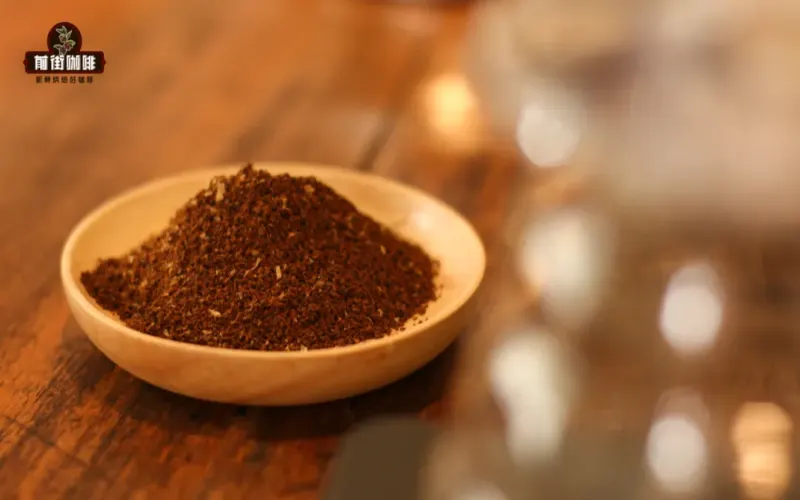
What Is the Difference Between Freshly Ground and Pre-Ground Coffee? The Principles Behind Drip Bag Coffee and Tips for Brewing a Delicious Cup
They're both coffee grounds, so why do some people insist it has to be freshly ground? What are the real differences between freshly ground and pre-ground coffee? And how exactly is drip bag coffee made? From the perspective of Front Street, this article breaks down one by one the essential differences between freshly ground coffee and pre-ground coffee, explains the critical impact of freshness on flavor expression, and further introduces the birth process of drip bag coffee as well as the brewing tips that make it taste better—helping coffee lovers avoid detours in their daily choices and brewing. [more…]
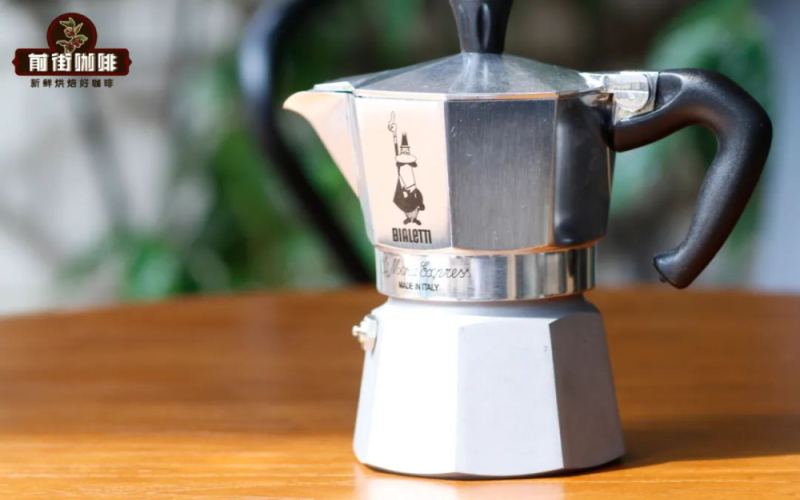
The Complete Moka Pot Guide: Step-by-Step Instructions, Tips, and an In-Depth Look at Pros and Cons
Since its debut in 1933, the moka pot has become the go-to entry-level choice for countless coffee lovers thanks to its compact convenience and rich brew. Yet controversy around it has never ceased: can it extract ideal crema like an espresso machine? And which coffee beans suit it best? This article systematically walks through the moka pot's operating steps and practical tips, compares its fundamental differences from coffee machines in crema performance, and objectively analyzes its pros and cons. At the same time, Front Street Coffee offers specific bean recommendations for the different flavor profiles of medium-dark and medium roasts, helping you consistently brew either silky, full-bodied coffee or fruit-forward, aromatic coffee with your moka pot. [more…]
A Practical Guide to Hand-Net Coffee Roasting: From Tool Preparation to Operating Tips, Beginners Can Roast Great Flavor Too
Want to roast coffee beans at home but worry the equipment is too expensive and the process too difficult? Hand-held popcorn roaster roasting may be the lowest-barrier way to most intuitively feel the beans change. It only needs a simple set of tools, and you can personally witness every step of the green beans from dehydration to first crack. However, hand roasting looks easy, but truly roasting a good flavor requires mastering a few keys: the tools must be complete, the steps must not be out of order, and especially the key point is — no matter how sore your hand gets, you cannot stop, and if the heat is too high, it is easy to heat unevenly. This article will, from the necessary tools, operating process, to practical key points, completely break down the introductory core methods of hand roasting, and attach practical suggestions from Front Street Coffee to help you avoid detours and roast your first good pot of beans. [more…]

Hot Fresh Milk for Ideal Latte Art: Standards and Practical Tips for a Proper Latte
Do you want to pour beautiful patterns with hot fresh milk, but find the results inconsistent? Whether a latte art pour is up to standard actually varies from person to person, but Front Street Coffee believes it can be judged on three levels: surface fineness, integration evenness, and pattern clarity. In addition to sharing the judging criteria, this article will also introduce a few tips that can effectively reduce the failure rate, including adjusting milk foam thickness, pre-treatment before integration, and repeatedly practicing with simple patterns. At the same time, choosing the right coffee beans is also crucial. Front Street specialty espresso blend can help you extract rich crema more easily, making latte art twice as effective with half the effort. [more…]
A Complete Guide to Starbucks Classic Espresso Drinks: Americano Taste Analysis and Iced Drink Ordering Tips
Starbucks is a daily choice for many coffee lovers, and its classic espresso-based drinks span a range of categories, both hot and cold. This article systematically breaks down the ingredient ratios and flavor characteristics of core beverages such as Americano, Latte, Cappuccino, Caramel Macchiato, Mocha, and Espresso, along with price ranges for reference. It also shares practical tips for ordering iced drinks, including why you should avoid an iced Cappuccino and which hidden combinations are worth trying. Whether you're a newcomer to Starbucks or a regular looking to switch things up, this guide can help you find the cup that suits you more efficiently. [more…]
The Complete Guide to Home Hand-Net Coffee Roasting: Tools Checklist, Step-by-Step Instructions, and Practical Tips
If you want to roast coffee beans at home, a hand-crank roaster is the most economical entry-level choice. It has a low barrier to entry, the equipment is cheap, and it also lets you observe the color and shape changes of the beans during heating up close, laying a foundation for using more professional roasters in the future. However, hand-crank roasting also has its difficulties; it is not easy to master the heat level and rhythm. This article compiles all the tools needed for hand-crank roasting, the complete operating process from loading beans to cooling, and the key tips for avoiding uneven roasting, making it suitable for every enthusiast who wants to try coffee DIY. Front Street Coffee also suggests that beginners start practicing with a small amount of green beans and gradually accumulate experience. [more…]

Coffee Newbie Ordering Guide: Mastering Cafe Menu Logic and Flavor Selection Tips
Walking into a café and staring at a dense menu without knowing where to start? This article is tailored for coffee beginners, sorting out the ordering logic—from espresso to milk coffee categories, and then to the choice between single-origin beans and blends—to help you quickly understand the reasoning behind the menu. Whether you prefer rich or light, creamy or fruity and acidic, you can find the cup that suits you. The article also draws on Front Street Coffee's production experience to offer specific recommendations and tips for avoiding pitfalls, so that next time you order, you won't be lost and can easily enjoy the pleasure of coffee. [more…]
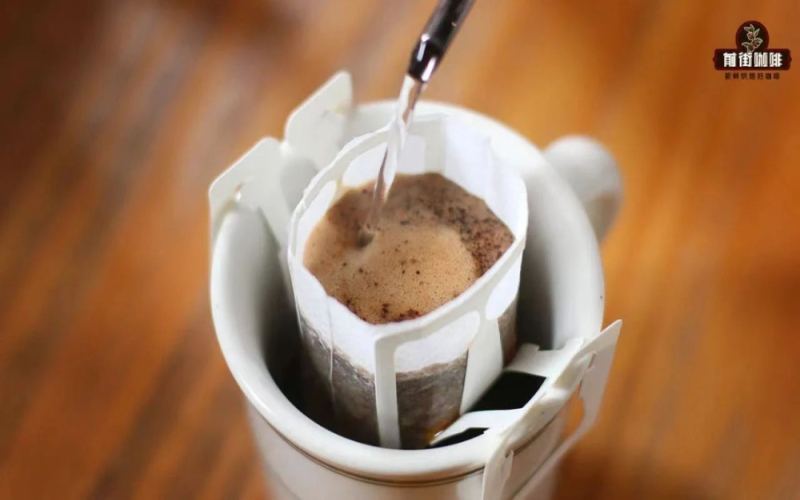
Is Drip Bag Coffee Ground Coffee? Can the Drip Bag Be Soaked in Water When Brewing? A Complete Analysis and Pour-Over Tips
Drip bag coffee has become a must-have for many coffee lovers thanks to its portability, but the flavor differences between these small packets are enormous. From coffee bean grade, freshness, grinder cleanliness to the filling process, every step directly affects the final performance of the drip bag. This article will address two common questions—is drip bag coffee just ground coffee powder? Does the drip bag need to be immersed in water during brewing? It also provides practical pour-over tips and recommends several Front Street Coffee drip bag products suited to different taste preferences, helping you enjoy a cup of full-aroma good coffee anytime, anywhere. [more…]